
Dialogue & ADR
We preserve the human details that turn a scene into an experience.
The Workflow
-
![]()
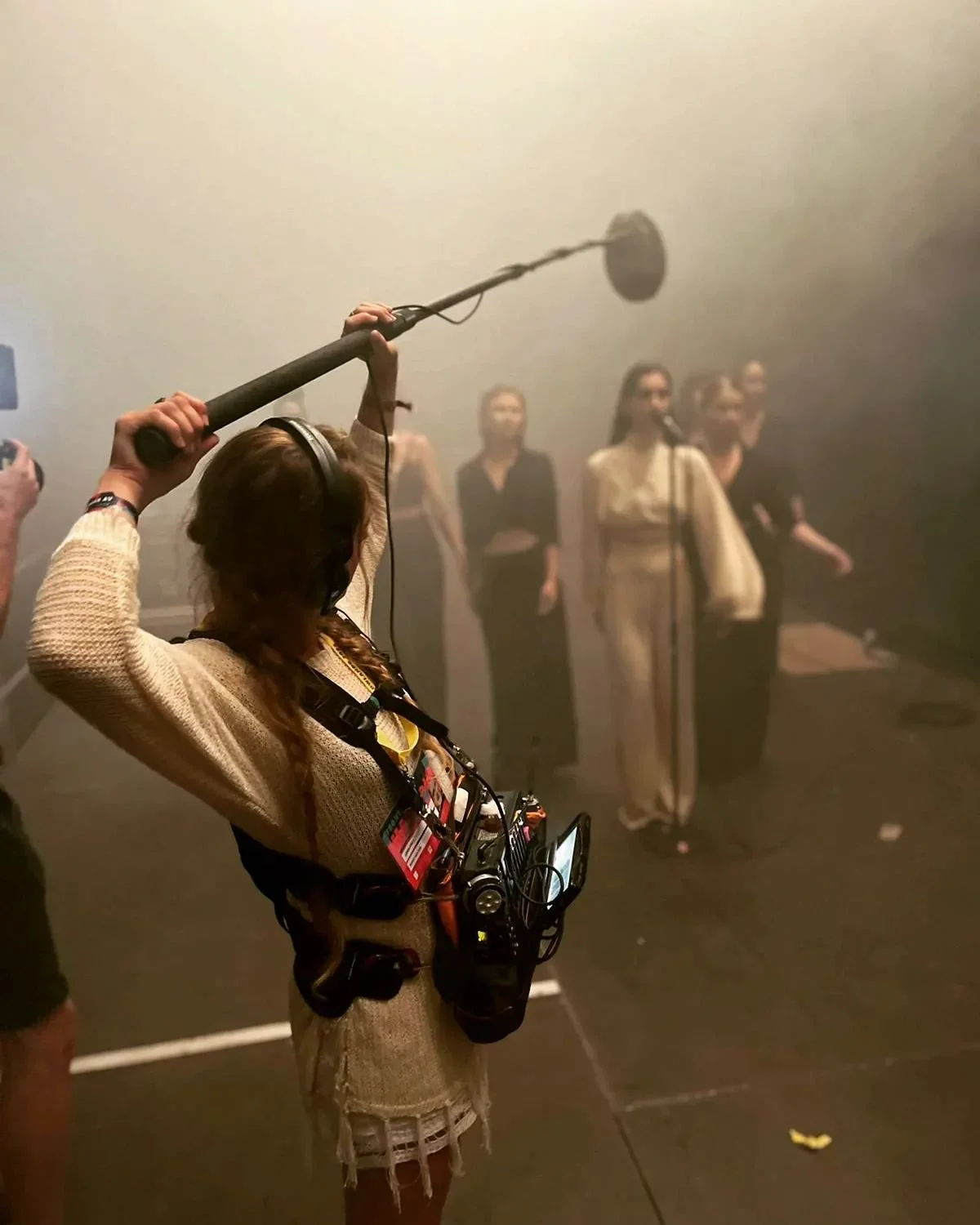
Location capture
We bring our own high-end microphone arrays to the set to capture pristine, authentic audio at the source. This ensures the technical foundation of your project is superior before post-production even begins.
-
![]()
Dialogue Restauration
We meticulously clean and refine production audio, removing unwanted noise and artifacts while preserving the natural, human character of every voice. We ensure that every whisper remains intimate and razor-sharp.
-
![]()
Seamless ADR
When a scene demands it, our studio recordings merge flawlessly with original production sound. By matching room tone, EQ, and performance energy, we create an invisible transition that maintains total immersion.
ADR – Creating space for emotion
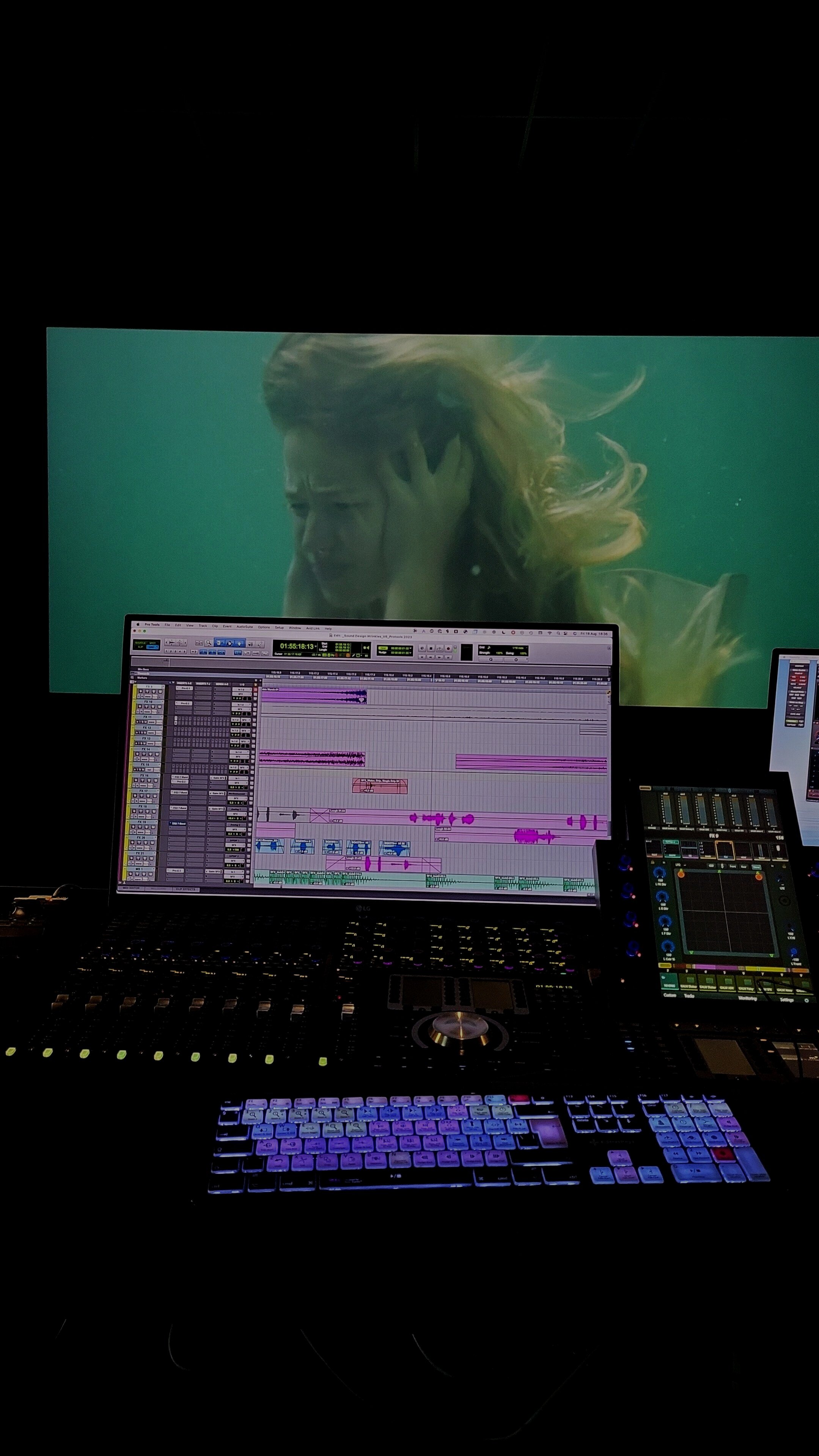
Recorded next to the sea, the original dialogue was heavily affected by noise. While tools like Dialogue Isolate helped reduce it, noise overlaps with the frequencies of the voice, meaning some of the natural tone and dynamics are always lost during heavy processing.
We first preserved the original recordings by carefully processing the boom and lavalier tracks, balancing noise reduction and EQ to keep the dialogue natural. But to create full freedom in the mix, we chose to record the dialogue again.
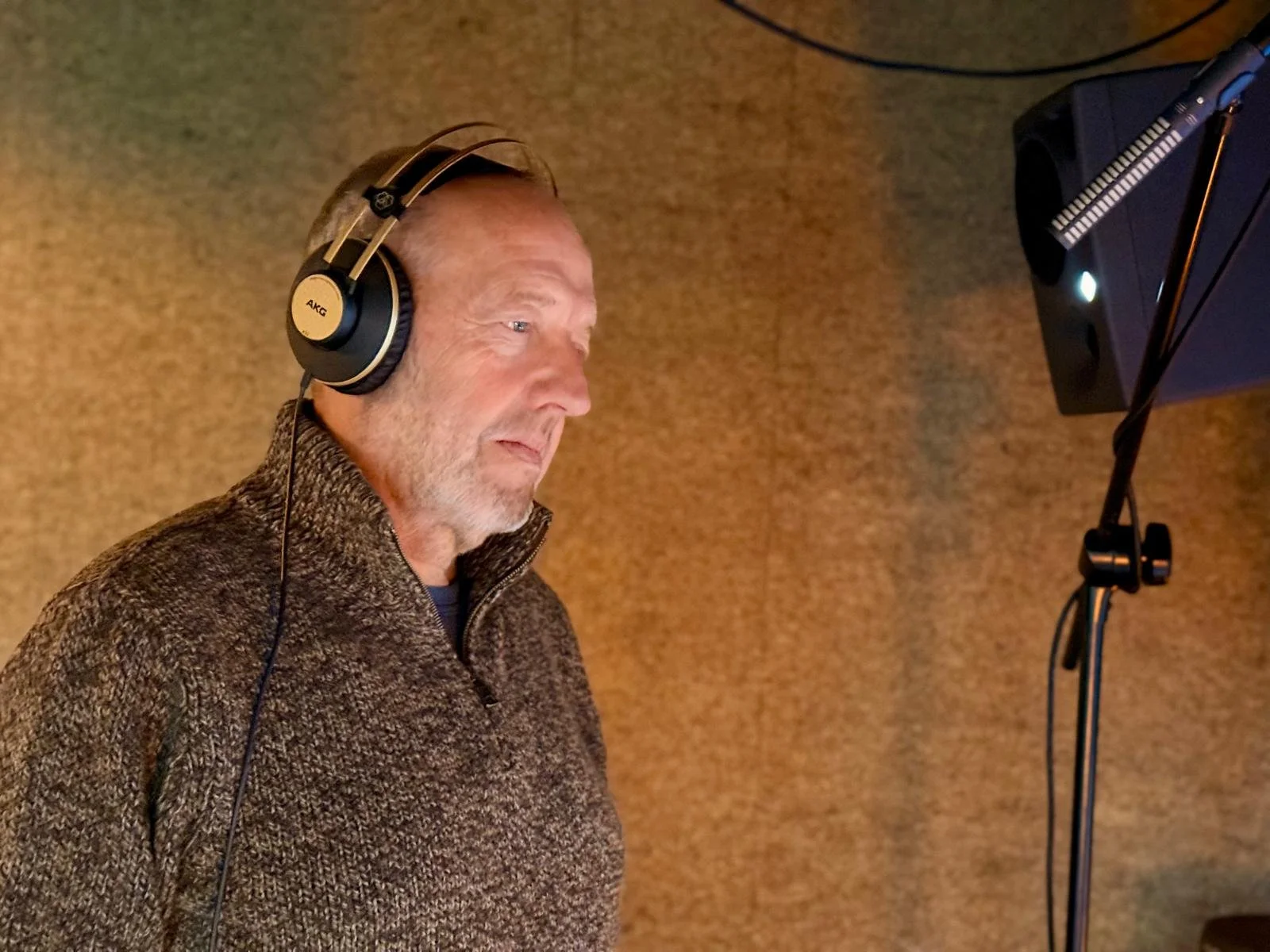
Using the same microphone as on set, we recreated the performances in our studio and shaped the voices with EQ to match the original production sound. With our background in acting and directing, we guided the actors not only in timing, but in emotion and intention.
ADR became more than a technical solution. It gave us the freedom to dive deeper into the character’s perspective and bring the inner world of the scene to life through sound.
Production Sound – Capturing emotion on set
For this scene, the conditions on set were ideal. Recorded with a Schoeps CCM40 cardioid microphone and a Cantar Mini mixer with high-quality preamps and limiters, we captured a warm and cinematic dialogue while preserving the natural character of the space.
Because the location was quiet and the shots were intimate close-ups, the recording captured much more than just the words. The actors’ breathing, subtle movements, and small details were naturally preserved, creating an extra layer of emotion and presence.
Because the production sound already contained so much detail, the need for additional Foley was minimal. We only enhanced specific moments, while keeping the original performance as the foundation.
For us, great production sound is about capturing the human details: a breath before a sentence, a small movement, the creaking of the room, or footsteps. These details make a scene feel alive and bring the audience closer to the character.
When these layers are captured on set, post-production becomes less about rebuilding reality and more about enhancing what is already there.